
222RS Game: New Strategies and Tips — July 2026
Most players who’ve been on 222RS Game for a while eventually hit the same wall: they know the basics, but their results stay flat month after month. July 2026 is shaping up to be a good time to reset that.
Between platform updates, shifting player patterns, and a few overlooked habits that quietly separate consistent players from everyone else, there’s more room to sharpen your approach than most people realize. This guide walks through what’s actually working right now—practical, no-nonsense strategies rather than vague tips you’ve read a dozen times before.
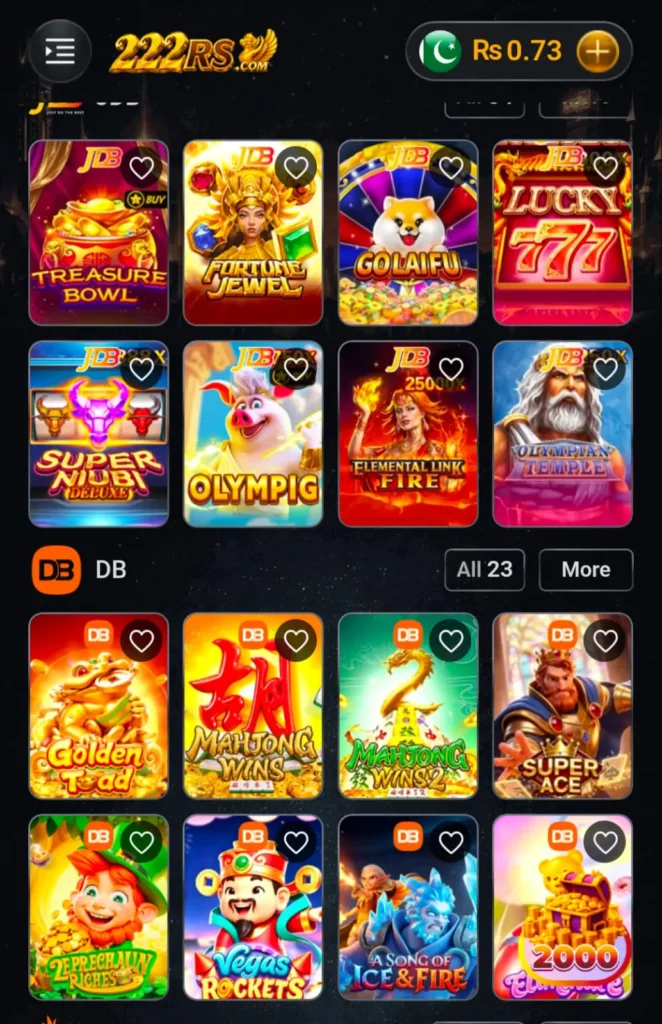
Why Strategy Matters More Than Luck Alone
It’s tempting to treat every session as a coin flip, but the players who stick around longest tend to treat 222RS less like a guessing game and more like a skill they’re gradually improving. That doesn’t mean outcomes become predictable — they don’t — but how you manage your sessions, your budget, and your decision-making has a real effect on how long you stay in the game and how you experience it.
Think of it the way you’d think about any activity with an element of chance mixed with decision-making: two players with the same starting budget can walk away with very different experiences purely based on how they approached the session.
What’s Changed on 222RS Going Into July 2026
A few platform-side updates are worth knowing before diving into strategy, since they directly affect how some of these tips apply:
- Updated game round timing — Several game modes now run slightly faster round cycles, which changes the pacing of session-based strategies.
- Revised daily reward structure — Daily login and activity rewards have been adjusted, making consistent short sessions more worthwhile than occasional long ones.
- New in-app statistics panel — Players now have access to a basic history/stats view, which is genuinely useful for tracking personal patterns over time.
- Interface tweaks for game selection — Finding and switching between game types is faster, reducing the friction that used to eat into session time.
These changes matter because a strategy built around last year’s version of the app won’t necessarily line up with how things work now.
Set Session Limits Before You Start
This sounds basic, but it’s the single most consistent habit among players who report a better overall experience. Before opening the app, decide two things: how much time you’re spending, and what your budget ceiling is for that session. Write it down if you have to—literally note it somewhere you’ll see it.
The reason this works isn’t mystical. Decision-making quality drops the longer a session runs, especially once emotions get involved. A predetermined limit removes that in-the-moment guesswork.
Use the New Stats Panel to Track Patterns
The newly added statistics panel is one of the more underused features on the platform right now. Instead of relying on memory or gut feeling about how a session went, check the actual numbers.
- Review your session history weekly, not daily — daily results are too noisy to draw useful conclusions from.
- Look for patterns in timing (are your better sessions happening at a certain time of day?) rather than patterns in the games themselves.
- Use the data to adjust your session length, not to chase specific outcomes.
Treating this like a personal log rather than a prediction tool is where the real value is.
Diversify Instead of Repeating One Game Mode
A common mistake is sticking to a single game mode simply out of familiarity. July’s interface update makes switching between modes faster, which makes this a good time to actually explore.
| Approach | Single Game Focus | Mode Rotation |
|---|---|---|
| Learning curve | Deep familiarity with one mode | Broader understanding across modes |
| Session variety | Can feel repetitive over time | Keeps sessions engaging |
| Adaptability | Limited if one mode underperforms | Easier to adjust mid-session |
| Risk spread | Concentrated | More distributed |
Rotating doesn’t mean playing everything at once — it means not locking yourself into one mode purely out of habit.
Pace Your Sessions Around the New Round Timing
Since round cycles are slightly faster this update, sessions can burn through a budget quicker than players are used to if pacing isn’t adjusted. A simple fix: mentally divide your session budget into smaller blocks (for example, quarters) and reassess after each block rather than playing straight through.
This keeps you actively checking in with yourself instead of playing on autopilot, which is especially relevant now that rounds move faster than before.
Pro Tip
Use the “cool-down” approach between sessions. Instead of immediately starting a new session after finishing one, step away for at least 15–20 minutes. This short gap resets decision-making and prevents the common pattern of chasing a previous session’s result. Players who build in this gap consistently report feeling more in control of their play.
Take Advantage of the Revised Daily Rewards
Since the reward structure now favors consistency over occasional long sessions, shorter, regular check-ins tend to add up better than infrequent marathon sessions. Set a realistic daily or every-other-day rhythm rather than trying to “make up” for missed days with longer sessions later.

Quick-Start Strategy Checklist
Use this before every session to stay consistent:
- Set a time limit before opening the app
- Set a budget ceiling and stick to it
- Check your stats panel weekly, not daily
- Rotate between game modes instead of repeating one
- Break your session budget into smaller blocks
- Take a cool-down break between sessions
- Log in consistently to make use of the updated daily rewards
Common Mistakes to Avoid This Month
Chasing losses with bigger bets This is the fastest way to turn a manageable session into an unpredictable one. If a session isn’t going your way, the update-friendly move is to step back, not scale up.
Ignoring the new stats panel entirely, players who skip this miss out on the clearest tool currently available for understanding their own patterns.
Playing on autopilot through faster rounds Since rounds move quicker this update, sessions can end faster than expected if you’re not actively pacing yourself.
Sticking to one mode out of habit rather than choice Comfort isn’t the same as strategy. Occasionally testing other modes, even briefly, gives you a better sense of what actually suits your style.
How to Build a Personal Strategy That Actually Fits You
Generic tips only go so far — the players who get the most out of 222RS tend to adjust these strategies to their own habits rather than following them rigidly. A few questions worth asking yourself:
- Do you play better in short, frequent sessions or longer, less frequent ones?
- Are you more consistent earlier in the day or later at night?
- Does switching game modes keep you more engaged, or do you prefer depth in one mode?
There’s no universal answer here—the value is in using the tools available (especially the stats panel) to figure out your own pattern rather than copying someone else’s exactly.
Responsible Play Reminder
Strategy improves the experience, but it doesn’t change the fundamental nature of the game. Set limits that fit your actual budget, treat losses as part of entertainment spending rather than something to recover, and take breaks seriously. If a session ever stops feeling enjoyable, that’s a good signal to stop for the day.
Final Thoughts
July’s updates on 222RS give players a genuine reason to revisit how they approach their sessions, not just what they play. The strategies that hold up this month aren’t complicated—set limits, track your own patterns instead of guessing, pace yourself around the new round timing, and take real breaks between sessions. None of that guarantees a specific outcome, but it does shape a more consistent, controlled experience, which is really what good strategy is about in the first place.
There’s no single “best” strategy, but setting session limits, using the updated stats panel to track patterns, and pacing sessions around the faster round timing are the habits most consistently linked to a better overall experience this month.
The core gameplay mechanics remain the same, but round timing, daily rewards, and the interface have been updated, which affects pacing and session strategy.
Yes, the newly added in-app statistics panel lets you review session history, which is useful for spotting personal patterns over time.
Shorter, more frequent sessions tend to align better with the revised daily reward system than occasional long sessions.
Use the stats panel to review results weekly rather than daily, and look for patterns in timing and session length rather than expecting predictable outcomes every time.