
222RS App Download Guide (Latest Version 2026)—Step-by-Step Install
Getting a new app onto your phone should be simple, but with APK-based platforms like 222RS, a lot of users run into confusion—outdated links, blocked installs, unclear permissions, or fake copycat files circulating online. This guide walks through the entire process from start to finish, using the actual steps required on Android devices in 2026, along with the reasoning behind each one so you’re not just following instructions blindly but actually understanding what you’re doing and why.
Whether you’re installing 222RS for the first time, reinstalling after an update issue, or switching to a new phone, everything you need is covered here: what the app actually does, system requirements, the download process across different Android brands, permission settings explained one by one, account setup, and what to do if something goes wrong along the way.
Quick-Start Checklist
Before diving into the full walkthrough, here’s a fast reference if you already know the basics and just need a checklist:
- Confirm your Android version and device brand meet minimum requirements
- Free up at least 200MB of storage space
- Download only from the official 222RS source
- Enable “Install from Unknown Sources” for the specific browser/file manager you’re using
- Verify the APK file size and publisher details before installing
- Review requested permissions during setup
- Complete registration with a valid phone number or email
- Update the app promptly whenever a new version is released
- Keep a backup of your login credentials somewhere secure
If any of these steps feel unfamiliar, the sections below break each one down in detail.
What Is the 222RS App
222RS is an Android-based application distributed outside the Google Play Store, which means the installation process differs from typical app downloads. Apps distributed this way — commonly called sideloaded apps — require you to manually approve installation permissions since Android blocks unknown sources by default as a security measure.
This isn’t unique to 222RS; it’s standard for most APK-based platforms operating in Pakistan and similar markets, largely because certain app categories face restrictions on official app stores. Understanding this distinction matters because it changes how you should approach the download—you’re taking on a bit more responsibility for verifying the source yourself, rather than relying on the Play Store’s built-in vetting process.
The app is designed to run on a wide range of Android devices, from budget phones to higher-end models, and doesn’t require rooting or any advanced technical modification to install and use normally.
Why Sideloaded Apps Work Differently
When an app comes through the Play Store, Google runs it through automated and sometimes manual review before it reaches your device, and updates are pushed automatically in the background. With a sideloaded app like 222RS, none of that happens by default — you’re the one responsible for checking the source, approving the install, and keeping the app updated. That’s not necessarily a downside, but it does mean the habits covered in this guide matter more than they would for a typical Play Store app.
Minimum Device Requirements
Before downloading, check that your device meets these baseline specifications:
- Android version: 6.0 (Marshmallow) or higher
- RAM: Minimum 2GB (4GB or more recommended for smoother performance)
- Storage: At least 200MB free space for installation, plus additional space for data as you use the app
- Internet connection: Stable Wi-Fi or mobile data for download and updates
- Processor: Any quad-core processor from the last several years handles the app without issue
Older devices can sometimes run the app, but performance issues like lag, delayed loading, or occasional crashes become more likely below these specs. If your device is several generations old, expect a noticeably slower experience even after a successful install.
Step-by-Step 222RS App Download Guide
Step 1: Access the Official Download Source
Always start from the verified 222RS website rather than searching generic terms like “222RS APK download” in your browser, which often surfaces third-party mirror sites hosting outdated or altered files. Bookmark the official domain so you’re not relying on search results each time you need to reinstall or update.
Pro Tip: Check the URL carefully before downloading anything. Scam sites frequently use lookalike domains with slight spelling variations or extra characters to mimic official branding, so a habit of double-checking the address bar goes a long way.
Step 2: Enable Installation from Unknown Sources
Since 222RS isn’t distributed through the Play Store, Android will block the installation until you grant permission manually. Here’s how to do it, though exact menu wording varies slightly by device brand:
- Open Settings on your Android device
- Navigate to Security (or Apps & Notifications on some devices)
- Find Install Unknown Apps or Special App Access
- Select the browser or file manager you’ll use to install the APK
- Toggle Allow from this source to on
Newer Android versions (8.0+) apply this permission per-app rather than as a single system-wide switch, which is actually a safer design since it limits which apps can trigger installs without your ongoing awareness.
Step 3: Download the APK file.
Once permissions are set, return to the official download page and tap the download button. The file should be a reasonable size depending on the app version — if the file size looks drastically different from what’s listed on the source page, don’t proceed with installation, since that’s often a sign of a tampered file.
Step 4: Locate and Install the File
After the download completes:
- Open your device’s notification panel or file manager
- Tap the downloaded APK file (usually saved in the Downloads folder)
- Review the permissions the app is requesting
- Tap “Install” and wait for the process to complete
- Once finished, tap Open to launch the app
Step 5: Complete Registration
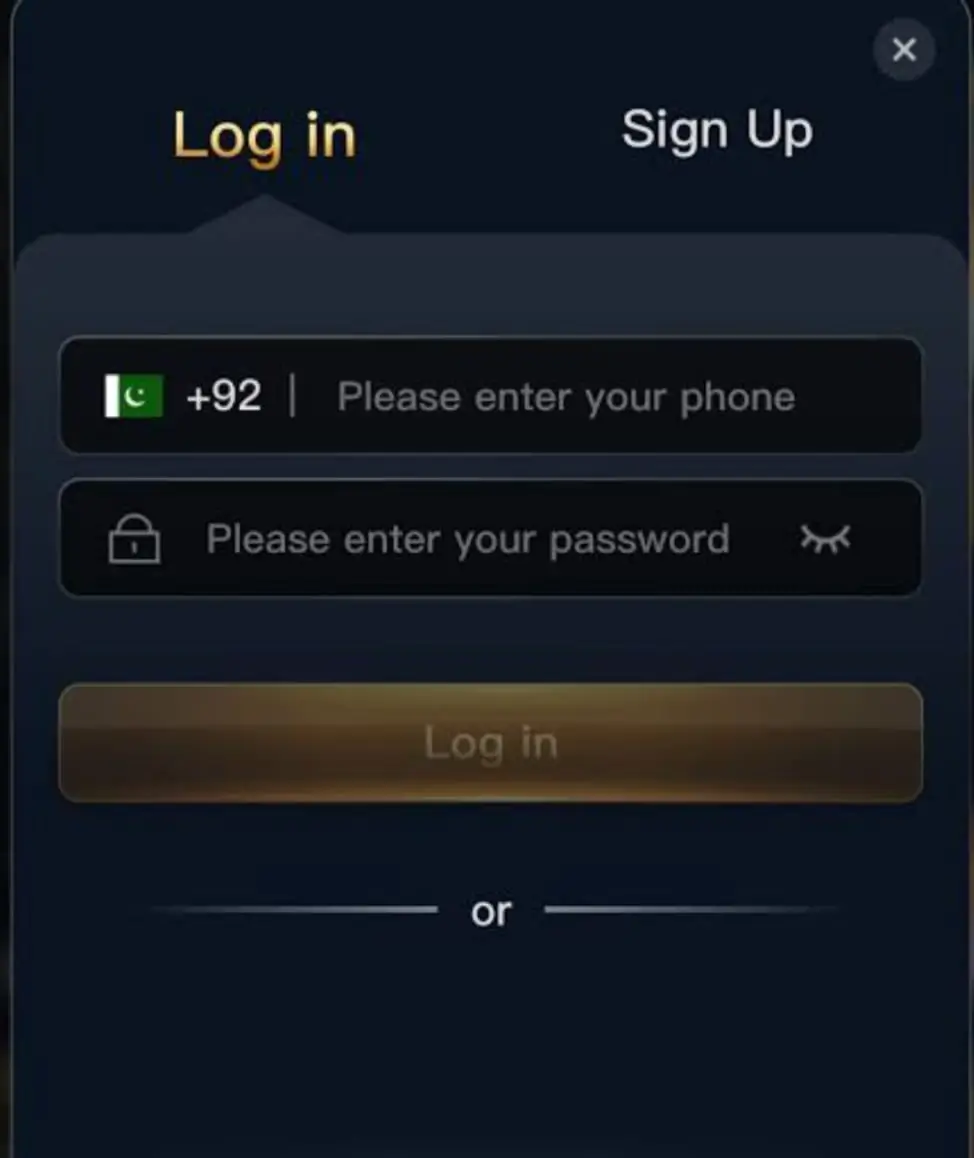
On first launch, you’ll typically be prompted to create an account using a phone number or email address. Use accurate contact information since this is often required for account recovery and verification later.
Pro Tip: Save your login credentials somewhere secure immediately after registration. Password recovery processes for APK-based platforms can be slower than mainstream app store equivalents since they don’t always integrate with Google’s account recovery system.
Installation Steps by Device Brand
Menu names and security settings vary slightly across manufacturers, which is one of the more common sources of confusion during install. Here’s a brand-specific breakdown.
Samsung Devices
Samsung’s One UI adds an extra confirmation layer beyond stock Android. After enabling unknown sources for your browser, Samsung devices sometimes show an additional “Harmful app blocked” warning even for legitimate files. If this appears, tap More details, then Install anyway, provided you’ve verified the source yourself.
Xiaomi (MIUI) Devices
MIUI is known for aggressive background restrictions. Beyond enabling unknown sources, you’ll likely also need to:
- Go to Settings > Apps > Permissions > Install via Unknown Sources
- Additionally check Settings > Battery & Performance > App Battery Saver, and set 222RS to “No restrictions” so it isn’t force-closed in the background
Oppo and Vivo Devices
Both ColorOS and FuntouchOS include similar “Autostart” and background permission settings. After installation, visit Settings > Battery > Autostart and enable it for 222RS to prevent notification delays or unexpected app closures.
Stock Android / Pixel Devices
These devices follow the standard process outlined in Steps 1–4 above with no additional brand-specific steps required, since stock Android doesn’t layer extra restrictions on top of the base permission system.
Understanding App Permissions
During installation, 222RS will request certain permissions. Understanding what each one does helps you make an informed decision rather than tapping “allow” without thinking about it.
- Storage access — needed to save app data and any downloadable content within the app
- Network access — required for the app to function at all, since it needs an internet connection
- Notifications — used to alert you to updates or account-related messages
- Phone state (in some versions) — sometimes used for account verification tied to your phone number
If the app requests permissions clearly unrelated to these core functions — such as access to your contacts or camera without a stated reason — that’s worth pausing on before proceeding.
Comparing Download Methods
Not everyone installs 222RS the same way. Here’s how the common methods stack up:
| Method | Speed | Safety Level | Best For |
|---|---|---|---|
| Official website direct download | Fast | High (if verified) | Most users |
| Third-party APK mirror sites | Varies | Low to moderate | Not recommended |
| File sharing from another user | Fast | Low | Avoid entirely |
| QR code from official source | Fast | High | Mobile-first users |
The takeaway here isn’t complicated: the official source is worth the extra thirty seconds it might take compared to a random search result, because the security trade-off isn’t close.
Setting Up the App After Installation
Once installed and registered, a few initial configuration steps make the experience smoother going forward.
Verify Your Account
Most versions prompt for phone or email verification shortly after registration. Completing this step promptly avoids restrictions on certain features later and makes account recovery far easier if you ever lose access.
Adjust Notification Preferences
Within the app’s settings menu, you can typically control which notifications you receive. Given that background restrictions on some Android brands can delay notifications (as covered in the Xiaomi and Oppo/Vivo sections above), it’s worth checking this setting is correctly configured after your first login.
Review Data and Storage Settings
Checking how much local storage the app is using periodically helps avoid the “insufficient storage” errors covered in the troubleshooting section below, particularly on devices with limited internal memory.
Troubleshooting Common Installation Issues
Even with correct steps, installations can fail. Here are the issues users run into most often and how to resolve them.
“App Not Installed” Error
This usually happens for one of three reasons:
- Insufficient storage — clear space and retry
- Conflicting older version — uninstall the previous version completely before reinstalling
- Corrupted download — delete the file and download again, ideally on a stable connection
Installation Blocked by Play Protect
Android’s built-in Play Protect scanner sometimes flags sideloaded apps automatically, regardless of whether the file is actually safe. If this happens:
- Tap More details on the warning screen
- Select “Install anyway” if you’re confident in the source
- If Play Protect continues blocking installs, you can temporarily disable scanning under Google Play Store > Settings > Play Protect—just remember to re-enable it afterward
App Crashes After Opening
If the app installs but closes unexpectedly on launch, try these in order:
- Clear the app’s cache via Settings > Apps > 222RS > Storage > Clear Cache
- Restart your device
- Uninstall and reinstall using a freshly downloaded file
- Confirm your device meets the minimum RAM requirement listed earlier
Download Link Not Working
If the official page’s download button isn’t responding, first confirm you’re connected to a stable network, then clear your browser’s cache and cookies before retrying. Occasionally, switching from mobile data to Wi-Fi (or vice versa) resolves interrupted downloads.
Registration Not Completing
If the verification code for account setup doesn’t arrive, check that you entered the correct phone number format, confirm you have signal or a stable connection, and wait a few minutes before requesting a new code rather than repeatedly requesting one in quick succession, which some systems flag as suspicious activity.
Keeping the App Updated
Since 222RS doesn’t auto-update through the Play Store, staying current requires occasional manual checks. Version updates typically bring performance improvements, bug fixes, and sometimes new features, so it’s worth checking the official source every few weeks rather than assuming your installed version is current.
Pro Tip: Before installing an update, uninstalling the old version first (rather than installing over it) tends to prevent the conflict errors covered in the troubleshooting section above.
How to Check Your Current Version
Within the app, this is typically found under Settings > About. Compare the version number shown there against what’s listed on the official download page to confirm whether an update is available.
Is It Safe to Download 222RS App?
Safety with any sideloaded app comes down to source verification rather than the app category itself. The practical steps that actually reduce risk:
- Download exclusively from the verified official domain
- Compare file size and version number against what’s listed on the source page
- Avoid installation links shared through unofficial social media posts or messaging forwards
- Keep your device’s security software active even after granting install permissions
- Review requested app permissions during install — be cautious if an app requests access unrelated to its core function
- Avoid entering account credentials on any page that isn’t the app’s official interface
None of this is unique caution reserved for 222RS specifically; it’s the same due diligence worth applying to any app distributed outside an official store, and it becomes second nature after doing it a few times.
Common Mistakes to Avoid
A few recurring mistakes account for most installation problems users report:
- Downloading from search results instead of a bookmarked official link — the single most common source of fake or outdated files
- Skipping the permission review screen—approving everything without reading it means missing red flags before they become a problem
- Installing over an old version instead of a clean reinstallation—often the cause of unexplained crashes
- Ignoring brand-specific battery settings — particularly on Xiaomi, Oppo, and Vivo devices, where background restrictions cause the app to behave inconsistently
- Using outdated app versions long-term — missing both performance improvements and, in some cases, security fixes
Final Thoughts
Installing 222RS isn’t complicated once you understand why each step exists—enabling unknown sources isn’t a workaround; it’s Android’s standard security checkpoint for any app distributed outside the Play Store. The process outlined here reflects the current 2026 installation flow across major device brands, and following it in order (official source, correct permissions, verified file, brand-specific setup, clean install) resolves the vast majority of issues users encounter.
If you hit an error not covered here, the most reliable fix is usually the simplest one: uninstall completely, restart your device, and reinstall using a fresh download from the official source.
Frequently Asked Questions
Yes, downloading and installing the app itself doesn’t cost anything. The official download page doesn’t charge any fee for the APK file.
Apps in this category are typically distributed independently rather than through official app stores, which is why direct APK download is the standard installation method.
No, account registration happens after installation, during the app’s first launch process.
Confirm you’re using the current official domain, check your internet connection, and try again. If the issue persists, clearing your browser cache before retrying often resolves it.
Check the app version under Settings > About within the app itself, and compare it against the version number listed on the official download page.
Only provide registration details through the app’s official interface, never through third-party links claiming to “verify” your account, which is a common phishing tactic on APK-based platforms.