
222RS Game Download: How to Earn Daily from 222RS Game
If you have spent any time scrolling through Pakistani social media, YouTube, or Telegram groups recently, there is a good chance you have come across an advertisement for an app called 222RS Game. The pitch is almost always the same: download an app, predict a color or a number, place a small bet, and watch your balance grow. Some ads promise daily income. Others show screenshots of withdrawals worth tens of thousands of rupees. The language is upbeat, the graphics are flashy, and the message is simple—this looks like easy money.
This article is not a promotional guide telling you how to “earn daily” from 222RS Game. Instead, it is an honest, informational breakdown of what apps like this actually are, how the underlying game mechanics work, why they are structured the way they are, what the legal situation looks like in Pakistan, and what red flags you should watch for before you ever deposit a rupee. The goal is to leave you better informed, not to encourage participation.
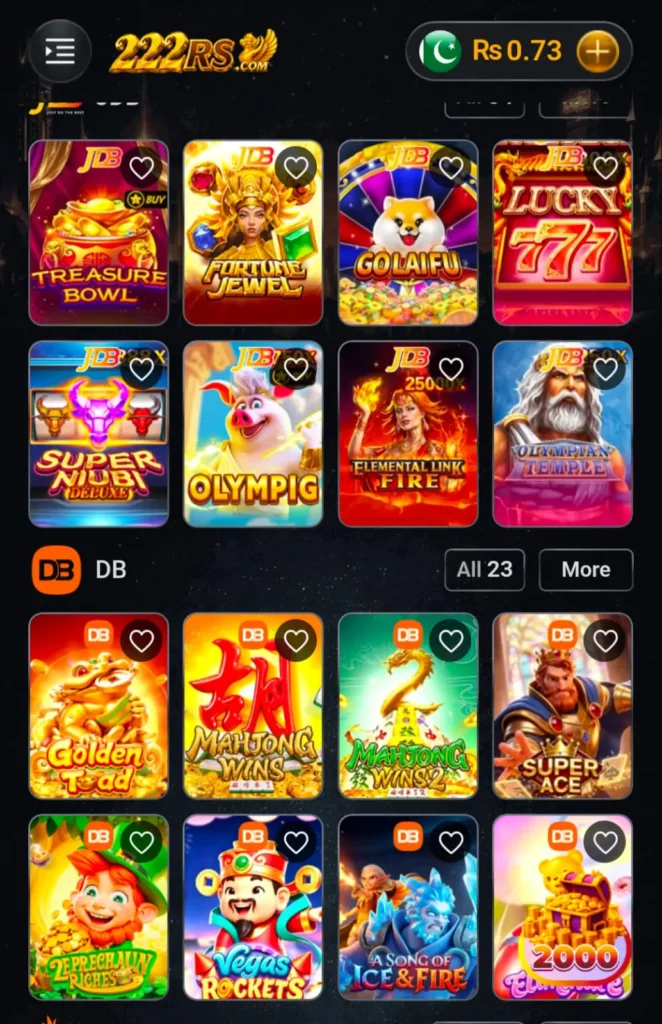
What Kind of App Is 222RS Game?
222RS Game belongs to a broad category of mobile and web applications often referred to as “color prediction games” or “number prediction games.” This category exploded across South Asia over the past few years, with dozens of near-identical apps appearing under different names—many of them rebranded versions of the same underlying software, simply repackaged with a new logo, a new name, and a new set of referral links.
The basic format is almost always identical across this entire category:
- A timer counts down, usually somewhere between 30 seconds and three minutes.
- During that window, players choose a color (commonly red, green, or violet) or a number (commonly between 0 and 9) and place a wager.
- When the timer hits zero, a “result” is generated and displayed.
- Players who guessed correctly receive a payout based on a fixed multiplier; players who guessed incorrectly lose their stake.
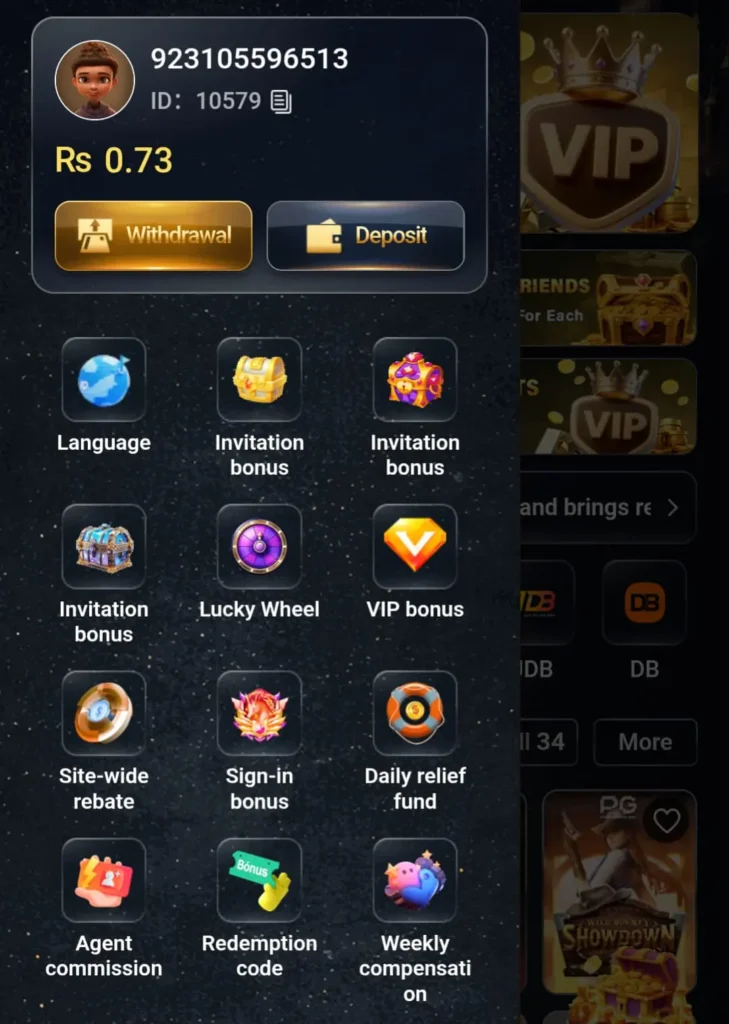
- A referral or “invite code” system rewards users for bringing in new players, often with a percentage of whatever those new players deposit or lose.
Despite branding language like “game,” “prediction,” or “trading,” what is actually happening on the backend is a repeated betting cycle. There is no skill-based prediction involved in any meaningful sense—color and number outcomes in these systems are generated programmatically, and the player has no way to verify, audit, or influence how that generation works.
How the Core Game Mechanics Actually Work
To understand why these apps are structured the way they are, it helps to look at the mechanics in more depth.
The Betting Cycle
Each round functions as an independent micro-bet. You select an outcome, commit funds, and the app resolves the round automatically. Because rounds are short—often under a minute—the app is designed to maximize the number of betting cycles a user can go through in a single session. This is a deliberate design choice common to almost all rapid-cycle betting products, whether they are branded as “colour games,” “spin games,” or “crash games.” The shorter the cycle, the more decisions a player makes per hour, and the more opportunities the house has to apply its statistical edge.
The “Prediction” Illusion
Apps like this often display charts, trend histories, or “hot and cold” colour statistics, mimicking the visual language of trading platforms or technical analysis tools. This is intentional. It creates an impression that there is a pattern to be found, a system to be learned, or an edge to be gained through observation. In reality, because the underlying outcome generation is controlled by the platform and not by any external, auditable, verifiable random number generator, historical patterns shown in-app cannot be assumed to reflect a fair or fixed-probability process. Even in jurisdictions where colour-prediction games are licensed and regulated, operators are required to publish details about the randomness engine and house edge—something that apps like 222RS Game typically do not do.
Multipliers and the House Edge
In a genuinely fair coin-flip-style bet with two outcomes, a winning bet should pay out at roughly double the stake for the odds to be neutral. In practice, colour prediction apps almost universally pay out less than the fair odds would suggest, after accounting for all outcome categories (including the less common third colour or “double” outcomes that pay higher multipliers but occur less frequently). This gap between fair odds and actual payout is the house edge — the same structural concept that underlies casino games, lottery systems, and most gambling products worldwide. Over a large number of rounds, this edge guarantees that, in aggregate, the platform extracts more from its user base than it pays out, regardless of any individual player’s short-term luck.
Referral and Multi-Level Structures
A major part of how apps in this category grow is through referral chains. Existing users are incentivized, often heavily, to bring in new depositors. Some platforms structure this across multiple levels—your direct referrals, and then the referrals made by your referrals, and so on. This structure is functionally similar to multi-level marketing models. It means that a meaningful share of the platform’s promotional energy comes not from advertising, but from existing users who are financially motivated to recruit others, regardless of whether the new players go on to profit or lose money.

Why “Daily Earning” Claims Should Be Treated with Skepticism
The phrase “earn daily” is doing a lot of work in marketing material for apps like this, and it is worth unpacking why.
First, any betting system with a built-in house edge is mathematically designed so that, over time and across its full user base, losses outweigh wins. Individual players can and do win in the short term—that is precisely what keeps the format appealing and what generates the screenshots used in advertising. But a system cannot sustainably pay out more than it takes in. If daily earning were genuinely available to all participants without risk, the platform itself would have no viable business model.
Second, many platforms in this category have a documented pattern of allowing easy deposits and smooth early withdrawals to build user trust, followed by withdrawal delays, minimum withdrawal thresholds that keep rising, mandatory “verification” steps, or outright account freezes once a user’s balance grows large or they attempt to cash out significant winnings. This pattern has been reported repeatedly across similar apps in India and Pakistan under different names—Color Prediction, 91 Club, Lucky Jet clones, Daman Games-style apps, and many others that share nearly identical interfaces.
Third, because operators of these apps are frequently unregistered, operate from offshore jurisdictions, or use shifting brand names, there is often no functional regulatory body a user can appeal to if a withdrawal is denied or an account is suspended. Unlike a registered financial service or a licensed gambling operator in a regulated market, there is typically no consumer protection mechanism standing behind the platform.
The Legal Picture in Pakistan
Online betting and gambling occupy a legally complicated space in Pakistan. Under the Pakistan Penal Code and provincial gambling ordinances dating back to the colonial-era Public Gambling Act of 1867 (as adapted by provinces), most forms of gambling are illegal, with very limited exceptions tied to licensed establishments in specific contexts. There is no broad, modern regulatory framework in Pakistan that licenses or oversees online colour-prediction or number-betting apps the way some other countries regulate online gambling operators.
This creates a few practical implications worth understanding:
Apps like 222RS Game typically operate outside any Pakistani regulatory oversight. They are not licensed by the State Bank of Pakistan, the Securities and Exchange Commission of Pakistan, or any provincial gaming authority, because no such authority currently issues licenses for this type of product in Pakistan. Payments into and out of these apps frequently rely on third-party payment intermediaries, peer-to-peer bank transfers, mobile wallets, or informal agents rather than transparent, regulated payment gateways — partly because mainstream payment processors and banks are often unwilling to knowingly process gambling-related transactions domestically.
Because the legal status of participating in unlicensed online betting in Pakistan is ambiguous to risky depending on how authorities choose to apply existing gambling and electronic crime laws, users engaging with these platforms carry both financial risk (losing money, being unable to withdraw) and a degree of legal uncertainty, even if enforcement against individual small-scale players has historically been inconsistent.
Common Red Flags Across This App Category
Whether or not 222RS Game specifically exhibits all of the following, these are patterns worth knowing because they recur constantly across this entire genre of app:
Unverifiable randomness. If an app cannot show you, or point you to, a credible, independently audited explanation of how outcomes are generated, you have no way of knowing whether the displayed odds bear any relationship to actual payout behaviour.
Aggressive referral incentives. When an app’s growth model leans heavily on existing users recruiting new depositors, with bonus structures tied to how much those new users lose or deposit, the platform’s core incentive is recruitment and continued play rather than sustainable, fair payouts.
Pressure and urgency tactics. Countdown timers on bonuses, “limited slots,” constant push notifications about other users’ winnings, and streaks of small early wins are common engagement and retention techniques borrowed directly from behavioural psychology used in gambling design more broadly.
Inconsistent or shifting withdrawal rules. Minimum withdrawal amounts that change, sudden “maintenance” periods around payout requests, or new verification hurdles that appear only once a user tries to withdraw a meaningful sum are widely reported complaints across this app category.
No verifiable corporate identity. Legitimate financial or gaming platforms typically disclose a registered company name, a physical address, regulatory licensing information, and accessible customer support channels. Many apps in this space operate through Telegram channels, WhatsApp groups, or anonymous customer service accounts with little to no verifiable corporate footprint.
Frequent rebranding. Because this category of app is often shut down, blocked, or abandoned once it accumulates too many complaints, many operators simply relaunch under a new name with a near-identical interface. A long list of these apps, under many different names, share visibly identical layouts, colour schemes, and mechanics—a strong indicator they are built on the same underlying template.
How These Apps Compare to Traditional Gambling
It is worth being explicit about something that marketing for these apps tends to obscure: structurally, a colour or number prediction app with fixed odds, a built-in house edge, and real-money wagering functions as a form of gambling, not a game of skill, investment, or “prediction” in any meaningful analytical sense. The terminology used—predict, invest, trade, earn—is chosen deliberately to create distance from words like “bet,” “wager,” or “gamble,” which carry more obvious risk connotations and might trigger more caution from potential users, as well as more scrutiny from app stores and payment processors.
This does not mean every person who plays such a game loses money, any more than every person who plays roulette loses money on a given night. It does mean that the long-run mathematics of the system is built to favour the operator and that the protections typically associated with regulated gambling—licensing, audited odds, dispute resolution mechanisms, and responsible gambling tools—are largely or entirely absent from this unregulated app category.
Questions Worth Asking Before Using Any Similar App
If you are evaluating 222RS Game or any comparable platform, a few questions can help you think more clearly than the marketing material will:
Who actually owns and operates this app, and can that be independently verified outside of the app’s own claims? Is there a registered business entity, and in which jurisdiction? What licensing, if any, does the platform hold, and does that license cover the country you are playing from? How is the outcome of each round generated, and is there any independent audit of that randomness? What do recent, independent user reviews—outside of app store reviews, which can be manipulated—say about the withdrawal experience specifically? What happens to your deposited funds if the app shuts down, changes its terms, or becomes inaccessible?
If a platform cannot give satisfying answers to these questions, or if the only answers available come from referral-incentivized users rather than independent sources, that absence of information is itself meaningful.
A Note on Financial Decision-Making
Apps in this category are often targeted at people facing real financial pressure — students looking for extra income, underemployed young people, or households trying to stretch a tight budget. That context matters, because the financial harm from sustained engagement with a house-edge betting product tends to fall hardest on people who can least afford to absorb losses.
This is not a moral judgment about anyone who has used or is curious about apps like 222RS Game. It is simply a reminder that “extra income” framing can obscure what is, mechanically, a wagering product with negative expected value over time for the average participant. If you are looking for ways to genuinely supplement your income, options like freelancing on established platforms, structured online tutoring, content creation tied to a real skill, or small-scale e-commerce—while slower and less flashy than a prediction app—at least operate on transparent, auditable mechanics where your effort and outcomes are more directly connected, rather than depending on an opaque, operator-controlled random outcome generator.
Overview
222RS Game is one of many colour and number prediction apps that have gained popularity in Pakistan, typically promoted through social media ads, YouTube videos, and referral links promising daily income for very little effort. Users deposit money, pick a colour or number before a short timer runs out, and either win a multiplier on their bet or lose their stake. The app also rewards users for inviting others to join, which is a major part of how these platforms spread so quickly.
At a structural level, 222RS Game is not a skill-based prediction tool or an investment product, despite language that sometimes suggests otherwise. It functions as a fast-cycle betting product: outcomes are generated by the platform itself, payouts are set below fair odds to build in a house edge, and the business model depends on continuous new deposits, in part driven by referral incentives. It is not licensed or regulated by any Pakistani financial or gaming authority, and like similar apps in this category, it has been associated with reports of withdrawal delays and account restrictions once users try to cash out larger balances.
Conclusion
222RS Game sits within a large and rapidly growing category of colour and number prediction apps that have become especially visible in Pakistan and across South Asia over the last few years. Stripped of marketing language, these apps function as fast-cycle betting products: a randomly generated outcome, a fixed payout structure with a built-in house edge, and a referral system designed to drive continuous growth in the user base. They typically operate without licensing or regulatory oversight in Pakistan, and the broader app category has a well-documented history of withdrawal complaints, account restrictions, and shifting platform identities.
None of this means every claim made about every such app is automatically false or that no one has ever withdrawn money successfully. But it does mean that the responsible approach is to treat “daily earning” claims with the same scrutiny you would apply to any other unregulated, high-risk financial product: verify what you can, understand the mathematics working against you, and recognize that the most consistent winner in any house-edge betting system, over a long enough timeline, is the house itself.
If you choose to engage with platforms like this despite these risks, treat any money involved as money you can fully afford to lose, never as income you can depend on, and never as funds borrowed or set aside for essential expenses.
Frequently Asked Questions
There is no specific Pakistani law that licenses or regulates colour and number prediction apps. Broad gambling laws derived from the colonial-era Public Gambling Act generally prohibit wagering activities, and no provincial or federal authority currently issues licenses for apps like this. That leaves participants in a legally ambiguous and risky position, even though enforcement against individual small-scale players has historically been inconsistent.
Yes, individual players can and do win in the short term, and that is part of what makes the format appealing and shareable. The issue is not whether anyone ever wins, but whether the system as a whole is designed to pay out more than it takes in over time. Because of the built-in house edge, it is not.
This is one of the most consistently reported complaints across this entire app category, not just 222RS Game specifically. Common patterns include rising minimum withdrawal thresholds, new “verification” requirements that appear only at withdrawal time, temporary “maintenance” periods, or account restrictions once a balance grows large. Because these platforms are typically unregulated, there is often no external authority a user can appeal to if this happens.
There is no independent, auditable way for a typical user to confirm this. Unlike licensed gambling platforms in regulated markets, which are often required to publish details about their random number generation and have it audited by a third party, apps like this generally do not provide that level of transparency.
No credible evidence supports this. The in-app charts and “trend” displays create an appearance of patterns to study, but because the platform controls outcome generation and that process is not independently verifiable, historical results displayed in the app cannot be relied upon to predict future outcomes in any statistically meaningful way.
Document everything (transaction records, screenshots, communication with support), avoid depositing further funds to try to “unlock” a withdrawal, and treat customer service promises with skepticism. If significant money is involved, consulting a lawyer about your options is more reliable than continuing to engage with the app’s own support channels.
Freelancing through established platforms, tutoring, content creation tied to a real skill, or small-scale e-commerce all involve more effort but operate on transparent mechanics where your outcomes are tied to your work rather than an opaque, operator-controlled outcome generator.