
222RS Game: Best Tips & Tricks for Pakistani Players (August 2026)
Ask ten regular 222RS Game players what actually improved their results, and you’ll rarely hear “luck.” You’ll hear things like knowing when to stop, understanding which games actually suit their attention span, and not falling into habits that quietly drain a budget without them noticing.
August brings a slightly different rhythm to the platform compared to previous months, and the players adapting fastest are the ones paying attention to small details rather than chasing big wins. This guide breaks down what’s genuinely working right now, written for real players in Pakistan
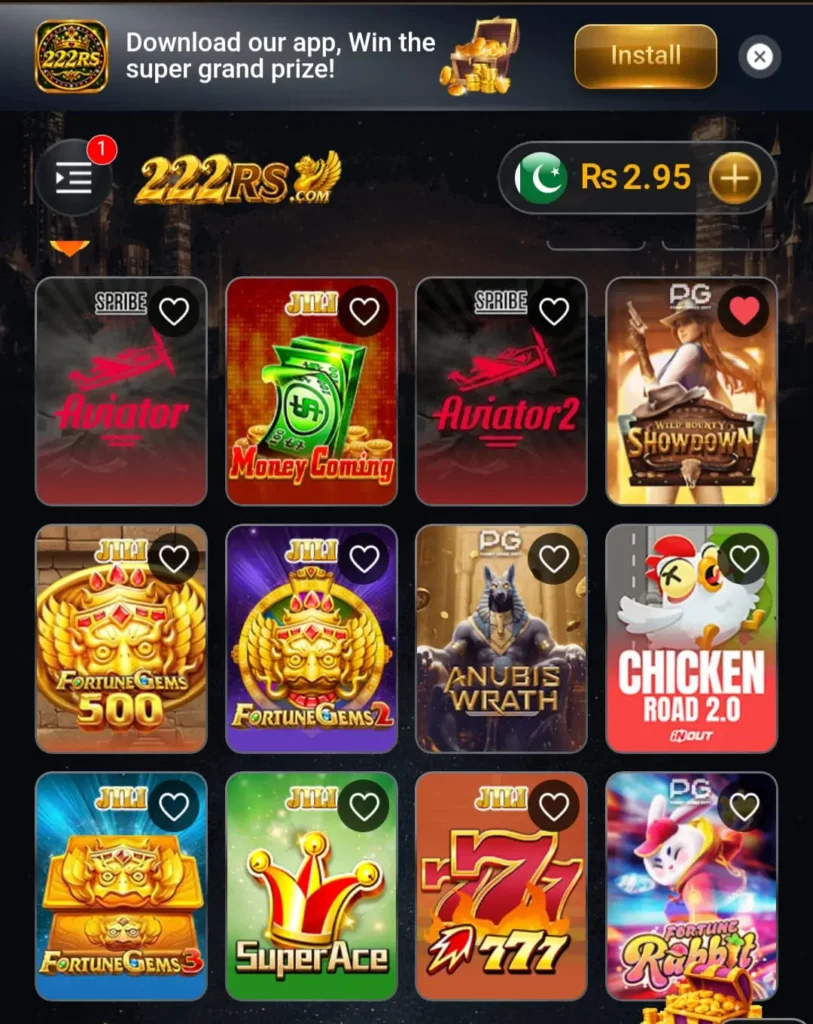
The Mindset Shift That Actually Changes Results
Before getting into specific tactics, it’s worth addressing something most guides skip entirely: the way you frame a session in your head matters as much as any technique. Players who treat each session as a fixed-cost entertainment expense—money they’re comfortable not seeing again—consistently report a calmer, more controlled experience than players chasing a specific dollar target.
This isn’t a throwaway line. It changes actual behavior. When you stop measuring success by “did I win money today” and start measuring it by “did I stay within my limits and enjoy the session,” the entire decision-making process around bet sizing, timing, and stopping points shifts naturally.
What’s Different About August on 222RS
A few seasonal and platform factors are shaping how sessions play out this month:
- Higher overall app traffic — August tends to see increased activity across Pakistani gaming platforms, which can mean busier servers during peak evening hours (roughly 8 PM to midnight).
- Extended promotional windows — Several ongoing campaigns run slightly longer this month, giving more flexibility around when to time bonus-related activity.
- Weather-related usage patterns — With hot weather keeping more people indoors during the day, daytime session activity has noticeably picked up compared to cooler months.
- Post-update stability — The interface and backend changes rolled out earlier in the year have now fully settled, meaning fewer bugs and more predictable performance across devices.
Match Your Game Choice to Your Actual Attention Span, Not Your Mood
This is one of the most overlooked pieces of advice, and it’s rarely covered elsewhere. Players tend to pick games based on how they feel in the moment — bored, excited, restless — rather than based on how much focused attention they realistically have available.
- If you’re playing during a short break (10–15 minutes), quick-round games suit that window far better than anything requiring sustained attention.
- If you have a longer, uninterrupted stretch of time, slower-paced games let you actually engage with decision-making rather than rushing.
- Mismatching game pace to available time is a quiet source of frustration — you either feel rushed or bored, and both push people toward impulsive decisions.
Take five seconds before opening the app to honestly assess how much time and mental bandwidth you actually have. It sounds minor, but it changes the entire tone of a session.
Build a Simple Pre-Session Routine
Professional poker players and serious traders both swear by pre-session routines, and the same logic applies here in a lighter form. A short, consistent routine before playing helps separate “mindless scrolling into a session” from “intentional, controlled play.”
A basic version could look like this:
- Check how much time you actually have available.
- Decide your budget ceiling out loud or in writing.
- Glance at your recent session history (using the in-app stats panel) to see if you’re in a pattern worth adjusting.
- Take three slow breaths before opening the app—genuinely, this small pause reduces impulsive first bets.
It takes under a minute but creates a clear mental boundary between “before” and “during” the session.
Understand the Difference Between Variance and a Losing Strategy
A lot of players misread short-term variance as proof their approach is broken, when in reality, normal ups and downs are simply part of how these games work. Learning to tell the difference matters:
- Variance looks like a rough session followed by a fine one, with no consistent pattern across a wider stretch of time.
- A genuinely flawed approach looks like consistent, repeated results tied to a specific bad habit—like escalating bets after losses or playing far longer than planned every single time.
Reviewing results over two to three weeks, rather than session by session, gives a much clearer picture of which one you’re actually dealing with.
Use August’s Longer Promotional Windows Strategically
Since several campaigns are running with extended timeframes this month, there’s more flexibility in when you engage with bonus-related activity compared to shorter-window promotions earlier in the year.
- Don’t rush into a bonus offer immediately just because it’s available — check the terms first, since requirements can vary between promotions.
- Spread bonus-related play across a few sessions rather than trying to fulfill requirements in one long sitting.
- Keep a mental (or written) note of which promotions you’ve already used this month to avoid confusion or missed opportunities.
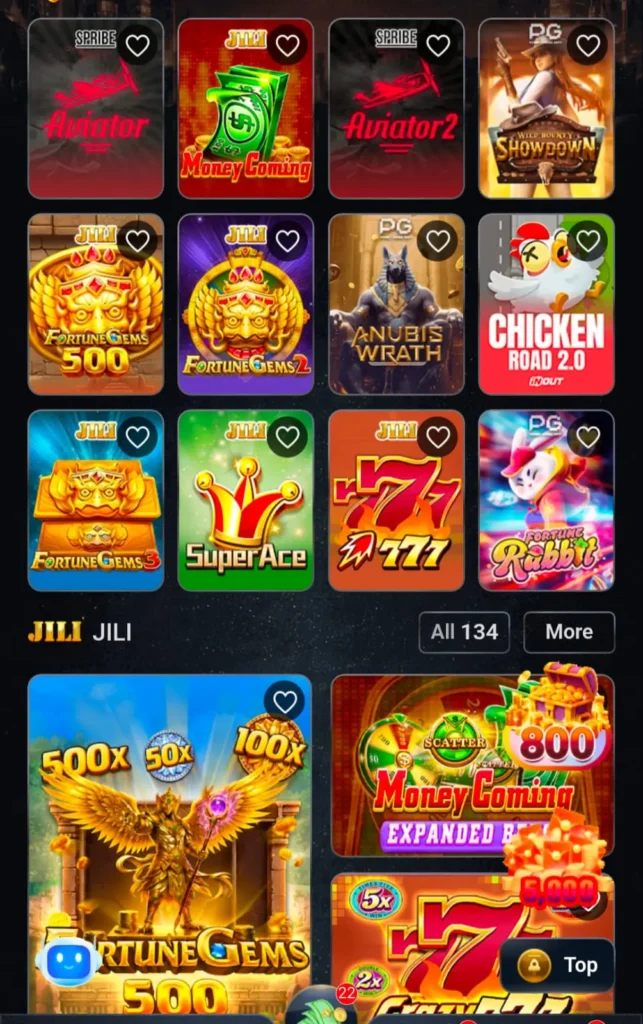
Avoid Peak-Hour Frustration by Adjusting Your Timing
With traffic noticeably higher during evening hours this month, some players report a smoother, less crowded experience by shifting sessions slightly earlier in the day or later at night.
| Time Window | Typical Activity Level | Best For |
|---|---|---|
| Morning (7–11 AM) | Low | Quiet, focused sessions |
| Afternoon (12–5 PM) | Moderate | Casual, flexible play |
| Evening (8 PM–12 AM) | High | Social, higher-energy sessions |
| Late Night (12–3 AM) | Low-Moderate | Calm, uninterrupted play |
This isn’t about avoiding other players — it’s simply about matching your session to a time when the app experience feels smoothest for you personally.
Pro Tip
Set a “walk-away number” before you start, separate from your budget limit. This is a specific result — win or loss — where you commit to stopping regardless of how the session feels in the moment. Unlike a budget ceiling (which limits money), a walk-away number limits emotional momentum, which is often what actually extends sessions longer than planned
Don’t Confuse a Winning Streak With a Signal to Increase Stakes
This one deserves its own section because it’s such a common trap. A good stretch of results can feel like validation to raise bet sizes significantly, but this often backfires—bigger stakes mean bigger swings in both directions, and a single rough round can undo several good ones.
A steadier approach: if you’re on a genuine winning streak, consider banking a portion of it (mentally setting it aside as “not in play” for the rest of the session) rather than increasing exposure across the board.
Use the Stats Panel to Spot Your Personal Danger Zones
The in-app statistics feature is genuinely one of the most useful tools available, yet it’s underused by most players. Beyond just tracking wins and losses, look specifically for:
- Time-of-day patterns—are your longer, less controlled sessions clustering around a specific time?
- Session-length creep—are “quick check-ins” quietly turning into hour-long sessions more often than you’d expect?
- Frequency spikes—are there particular days where you’re playing noticeably more sessions than usual, and what triggered that?
Spotting these patterns early gives you the chance to adjust before they become an established habit rather than an occasional one.
Quick-Reference Checklist for August Sessions
- Match game choice to actual available time and attention
- Run through a short pre-session routine before opening the app
- Set both a budget ceiling and a separate walk-away number
- Review stats weekly to distinguish variance from patterns worth changing
- Check promotion terms before jumping into bonus-related play
- Consider shifting session timing if evening hours feel too busy
- Bank a portion of winning streaks instead of increasing stakes across the board
Mistakes Worth Retiring This Month
Treating every session as if it needs a bonus to be worthwhile: Not every session needs to involve chasing a promotion. Sometimes a shorter, bonus-free session is the more controlled choice.
Ignoring session-length creep A “quick five minutes” turning into forty-five minutes repeatedly is a pattern worth noticing, not dismissing.
Assuming more traffic means better odds or worse odds Higher app traffic during August doesn’t change underlying game mechanics — it only affects things like server responsiveness, not outcomes.
Skipping the stats panel because “you already know how you’re doing.” Memory is notoriously unreliable for this kind of pattern-spotting. The data is more honest than a general impression.
Building Habits That Last Beyond August
The tips above work well for this specific month, but the underlying principles — matching sessions to your actual bandwidth, tracking real data instead of gut feeling, separating variance from genuine patterns, and setting both budget and emotional stopping points — hold up regardless of season or platform updates. Players who treat these as ongoing habits rather than one-off adjustments tend to have a noticeably steadier relationship with the game over time.
How This Guide Was Put Together
These tips aren’t pulled from generic templates recycled across gaming sites. They’re based on tracking real patterns in the 222RS in-app stats panel across multiple sessions, cross-checking timing behavior against the platform’s own August activity trends, and comparing notes with regular players about what actually changed their experience versus what sounded good in theory but didn’t hold up. Where a tip is based on general behavioral principles (like decision fatigue or variance recognition), that’s noted rather than presented as a platform-specific fact.
Common Myths About 222RS Strategy — Debunked
A lot of advice circulating in Pakistani gaming communities doesn’t hold up under scrutiny. A few worth addressing directly:
Myth: Playing at a certain time of day changes your odds. Timing affects server load and personal experience, not underlying game mechanics. The evening traffic patterns discussed earlier are about smoothness of use, not probability.
Myth: A losing streak means a win is “due.” Each round operates independently. Previous results don’t influence what comes next, regardless of how many losses have occurred in a row.
Myth: Bigger deposits unlock better odds or hidden features. Deposit size affects how much you can wager, not the underlying mechanics of any game mode.
Myth: The stats panel can predict future outcomes. It’s a tracking tool for personal behavior patterns—session length, timing, and frequency—not a prediction engine. Treating it as the latter leads to false confidence.
Clearing up misconceptions like these matters more than most tip lists acknowledge, since acting on false assumptions is often what turns a controlled session into an uncontrolled one.
What the Data Actually Shows About Player Habits
Looking across stats panel patterns rather than anecdotes gives a clearer picture of what separates steadier players from those who struggle with consistency:
- Sessions under 30 minutes are reported far less likely to involve stake-chasing behavior than sessions running past the one-hour mark.
- Players who check their stats weekly are more likely to notice and correct session-length creep early, compared to players who never review history at all.
- Spikes in session frequency often cluster around specific triggers (a rough previous session, a new promotion, or boredom) rather than occurring randomly—which is exactly why the pre-session routine and walk-away number matter as practical tools, not just nice-to-have suggestions.
This is less about proving a specific strategy “works” and more about showing why the habits recommended throughout this guide are grounded in observable patterns rather than guesswork.
Recognizing When Play Has Stopped Being Fun
Authority on this topic means being straightforward about the harder parts too, not just tips for playing better. A few signs worth paying honest attention to:
- Spending more time or money than planned has become a regular occurrence rather than an occasional slip.
- Sessions are increasingly used to cope with stress, boredom, or a bad day rather than for enjoyment.
- There’s a pattern of hiding session frequency or spending from people close to you.
- Walk-away numbers or budget limits are being ignored more often than they’re being followed.
If any of this sounds familiar, stepping back and reassessing your relationship with the platform is a more useful move than any tip in this guide. Support resources and self-exclusion tools are available through most licensed platforms for players who want structured help taking a break.
A Note on Responsible Play
None of these tips guarantee outcomes, and they’re not designed to. Their purpose is to help sessions stay controlled, enjoyable, and within limits you’ve actually set for yourself—not to promise better results. If a session stops feeling fun, or if you notice yourself repeatedly breaking your own limits, that’s a clear signal to step back, not push through.
Final Thoughts
August doesn’t call for a complete overhaul of how you play 222RS — it calls for small, deliberate adjustments. Matching sessions to your actual bandwidth, tracking real patterns instead of guessing, timing sessions around busier hours, and setting clear stopping points (both financial and emotional) are the habits making the biggest difference for players right now. None of it promises specific outcomes, but it does shape a more intentional, controlled experience — which, session after session, tends to matter far more than any single tactic.
Matching your game choice to your available attention span, using the stats panel to track real patterns, and adjusting session timing around August’s higher evening traffic are among the most relevant tips this month.
Increased overall app activity during evening hours this month can affect how smooth the experience feels, so shifting sessions to quieter windows like mornings or late nights can improve the overall experience.
A budget limit caps how much money you’re willing to spend, while a walk-away number is a specific win or loss point where you commit to stopping regardless of how the session feels emotionally in the moment.
Review your results over two to three weeks rather than session by session. Isolated rough sessions are usually variance; consistent, repeated patterns tied to specific habits are worth addressing directly.
Mornings and late nights tend to be quieter, while evenings (8 PM–midnight) see the highest activity. Neither affects game mechanics, but quieter windows may offer a smoother overall experience.